How Making a Key From the Lock Actually Works
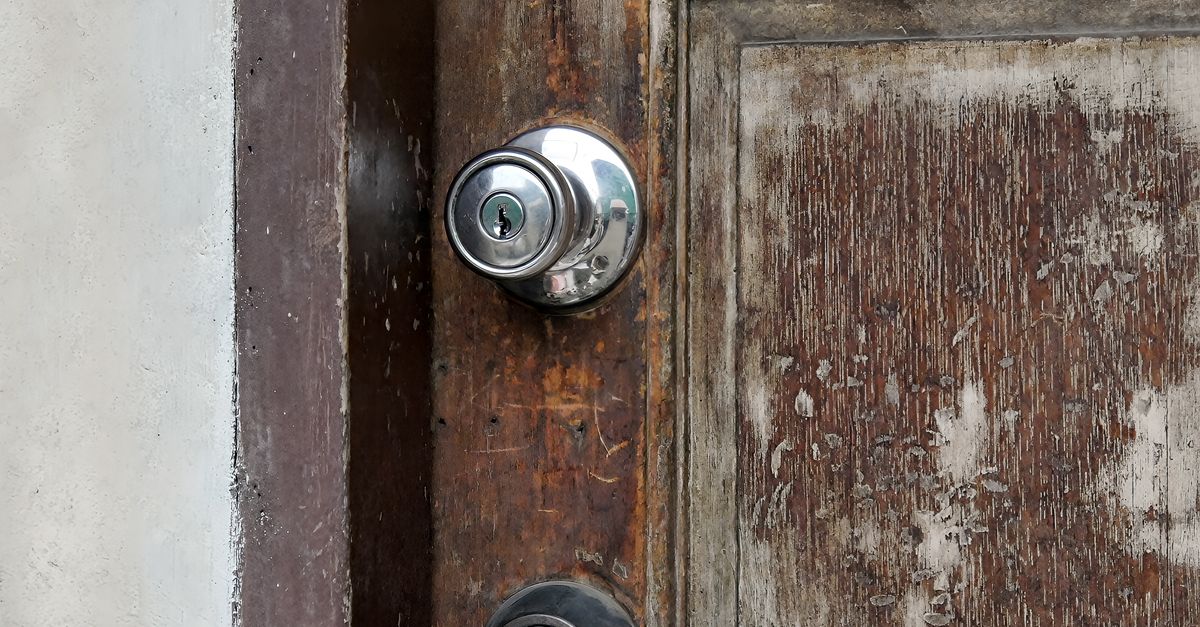
The process begins with the lock cylinder itself. A trained locksmith can disassemble or carefully decode a lock without destroying it, reading the depth cuts of each pin stack or wafer inside the mechanism. Each position in the cylinder corresponds to a specific cut depth on the key blade, and by measuring or decoding those positions in sequence, a technician can determine the exact key code needed to cut a functional replacement. For a standard residential door knob lock or a deadbolt, this typically involves removing the cylinder, using a specialized decoder tool or plug follower, and recording each bitting value — then cutting that profile on a blank of the correct keyway.
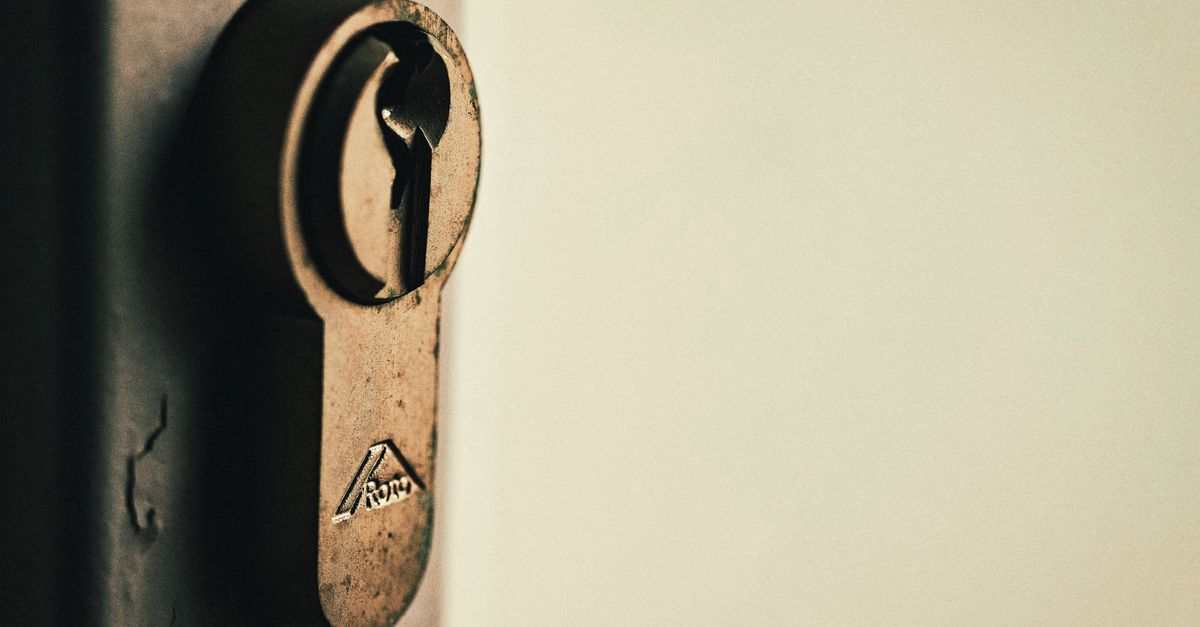
Mortise lock cylinders, common in older Seaford commercial buildings and historic downtown storefronts, require a slightly different approach because the cylinder is housed inside a larger mortise lock body recessed into the door edge. Our commercial locksmith technicians are experienced with mortise lock hardware from a wide range of manufacturers and eras, including older brass cylinders that may no longer have readily available documentation. The same decoding principle applies, but the technician must account for the mortise lock's specific cylinder format and ensure the newly cut key operates the cam or tailpiece correctly inside the lock body. We confirm every key functions smoothly in the lock before we consider the job complete.